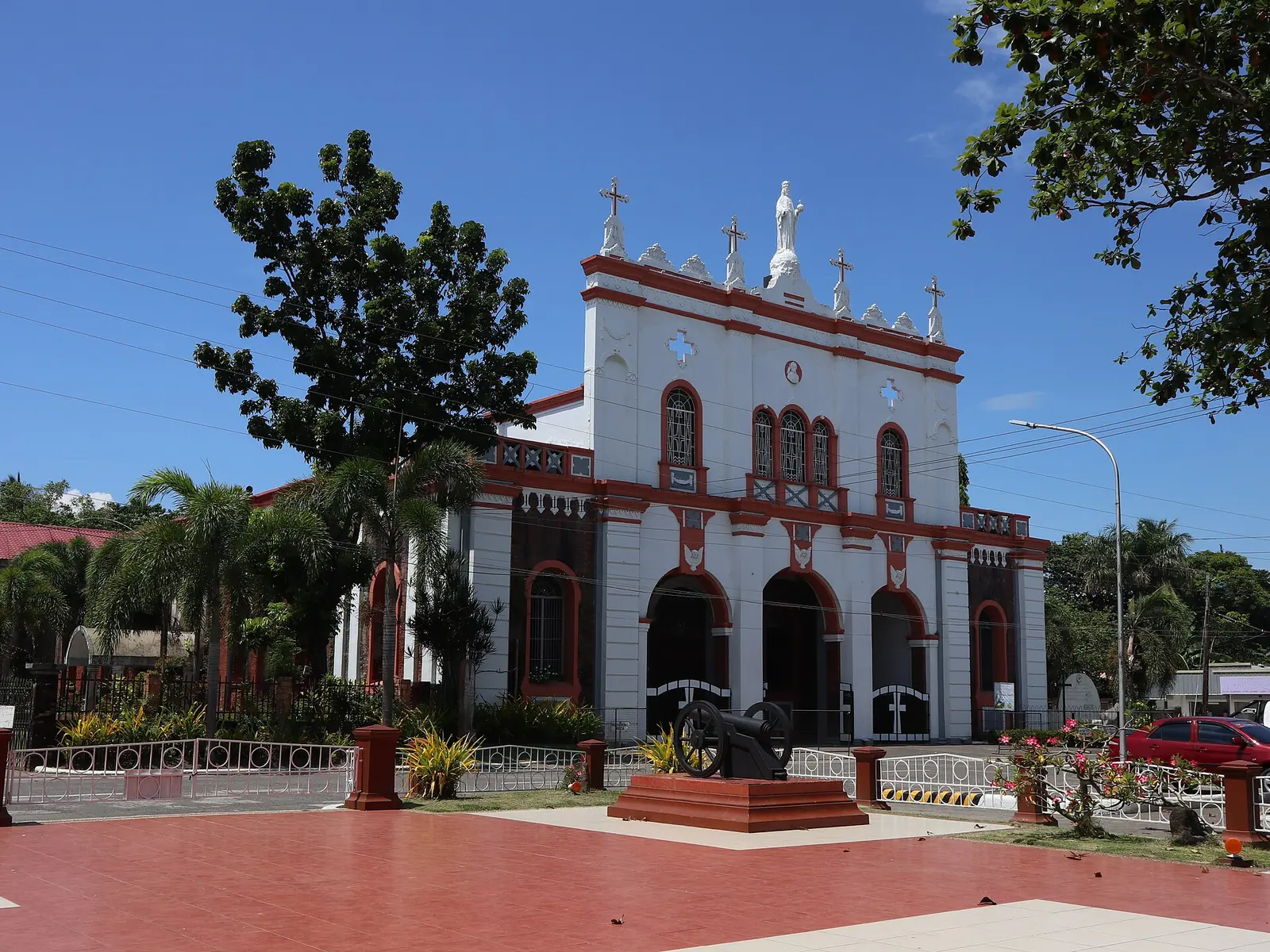
The exterior of St. Joseph the Worker Chapel, a modern concrete church inside the Victorias mill compound
Photo by Elmer B. Domingo, via Wikimedia Commons. Resized for this page. CC BY-SA 3.0.

Negros Occidental

Faith Trail: Old Churches of Negros Occidental

Negros keeps its faith in coral stone and in procession. In Silay and Talisay the old families still bring out their pasos on Good Friday. In Victorias a sugar mill keeps a modern chapel. In Talisay, every First Friday, devotees have an image of San Vicente Ferrer pressed to the body, a devotion called the palapak. Whether you come to pray or simply to look, go quietly, dress modestly, and let the bells set the pace.

The stay is at Bukaw, by the Malogo River in Silay.

Drive times on this page are approximate, from Silay City proper, not measured from our gate.

Last checked 27 October 2026.

The loop below is one way to spend the day. Other days from the house are in Day Trips.

Churches near Bukaw

San Diego Pro-Cathedral in Silay, a stone church with a silver dome above the plaza
Photo by Ralff Nestor Nacor, via Wikimedia Commons. Resized for this page. CC BY-SA 4.0.

Church

San Diego Pro-Cathedral

Open

Zamora Street, the plazaUnder 5 minutes, approximateFree to enter.

The present church was built in 1925–1927 to a design by the Italian architect Lucio Bernasconi, mostly paid for by Don José R. Ledesma. The parish dates to 1776. The Diocese of Bacolod declared it a pro-cathedral on 25 December 1994. On Good Friday the old sugar families bring out their pasos.

The Good Friday procession is the one to see. The feast day is 13 November. Dress modestly.

On the Silay page

Mass times are not listed here. Check with the parish.

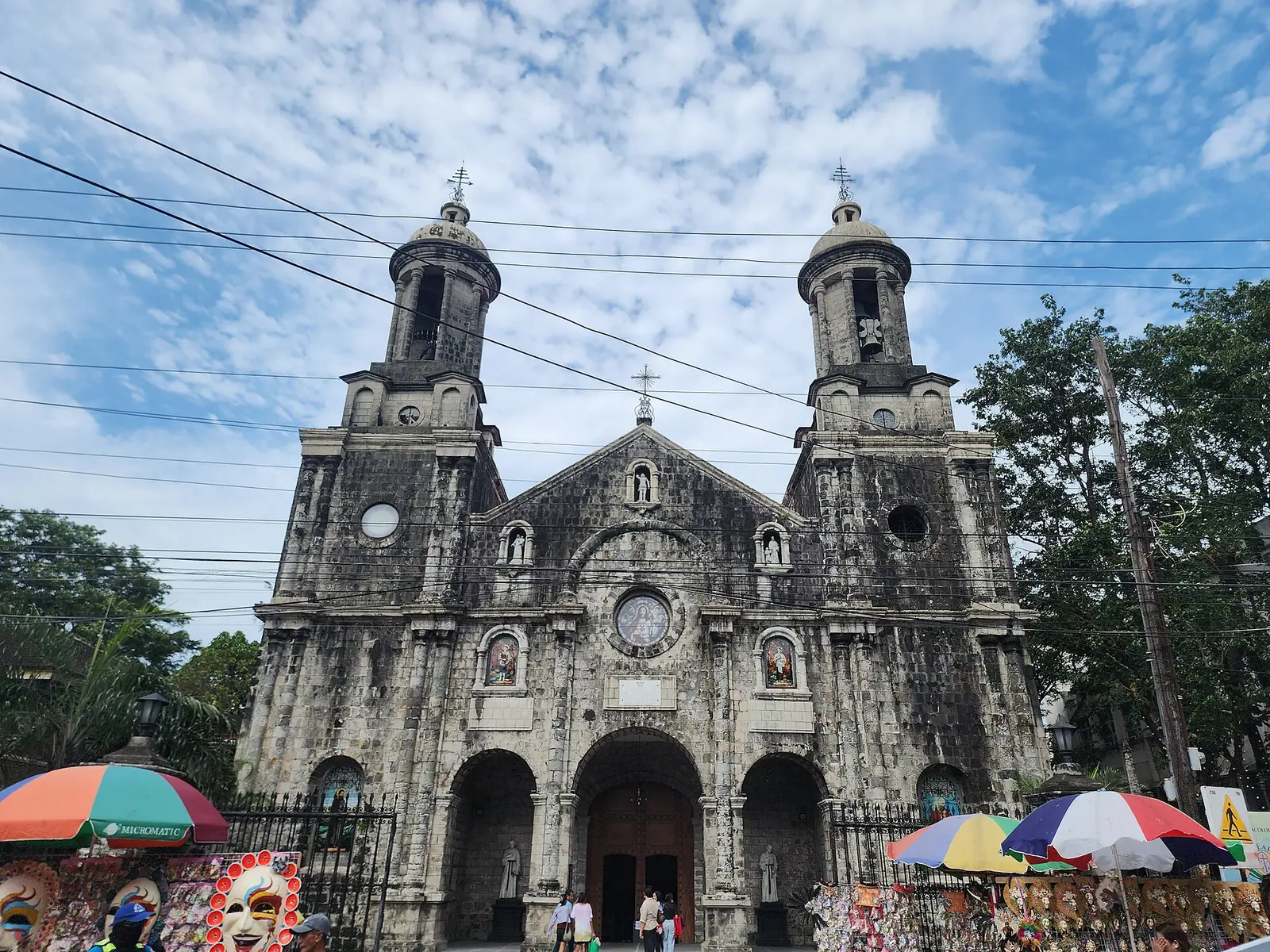
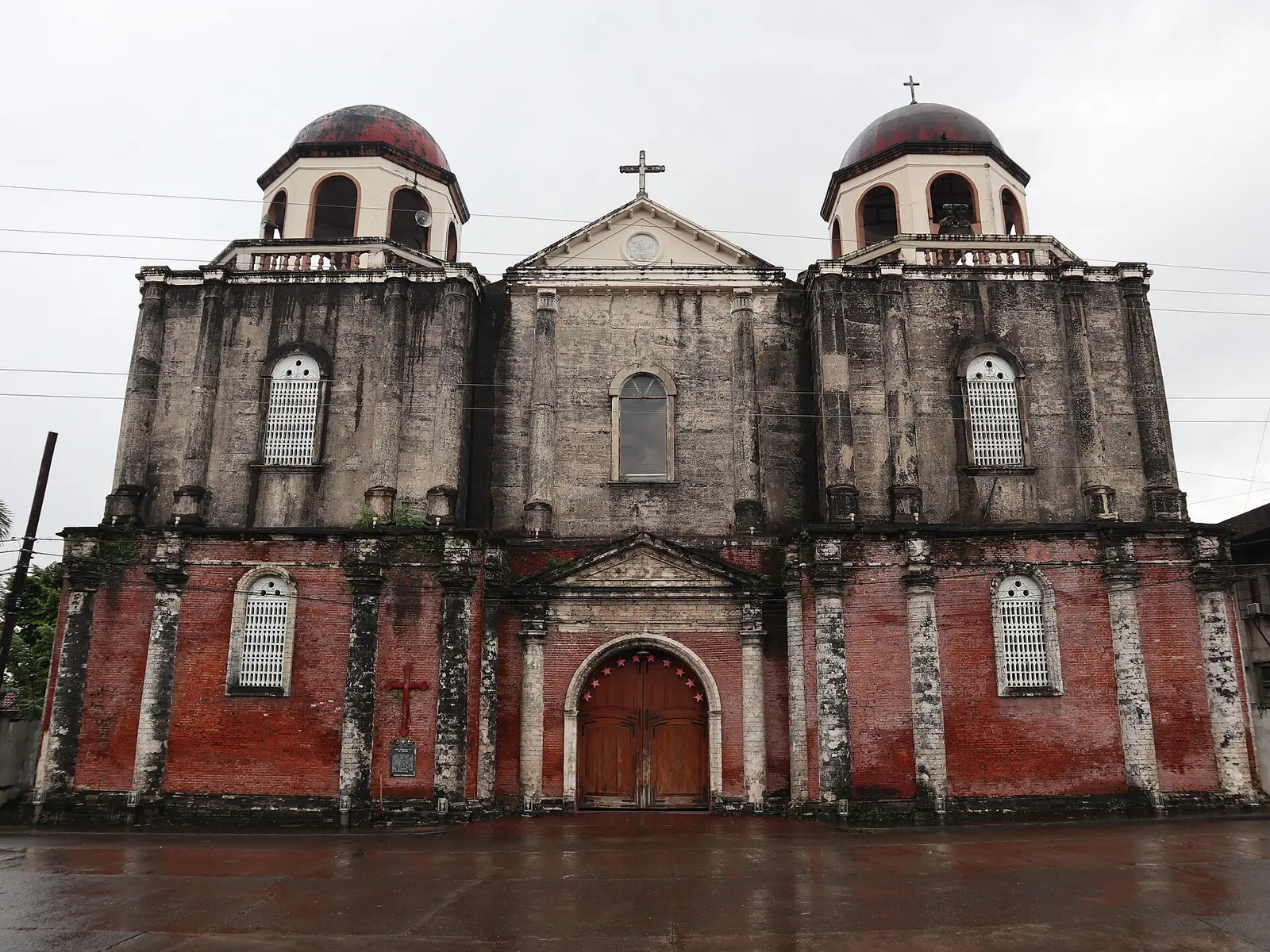
San Sebastian Cathedral in Bacolod, a coral-stone church with a dome and bell towers
Photo by Herbertkikoy, via Wikimedia Commons. Resized for this page. CC BY-SA 4.0.

Church

San Sebastian Cathedral

Open

Rosario Street30–45 minutes, approximateFree to enter.

The cornerstone was laid on 27 April 1876, and the church was inaugurated on 20 January 1882 under Fr. Mauricio Ferrero, the first Recollect parish priest, with prison labor lent by the governor. It is coral stone from Guimaras. The parish goes back to the late 1700s. The sources do not agree on the year. It is the seat of the diocese created in 1932–33. The Lenten pasos here are mostly silver.

The feast of San Sebastian is 20 January. Dress modestly, and be quiet during Mass.

On the Bacolod page

Mass times are not listed here. Check with the parish.

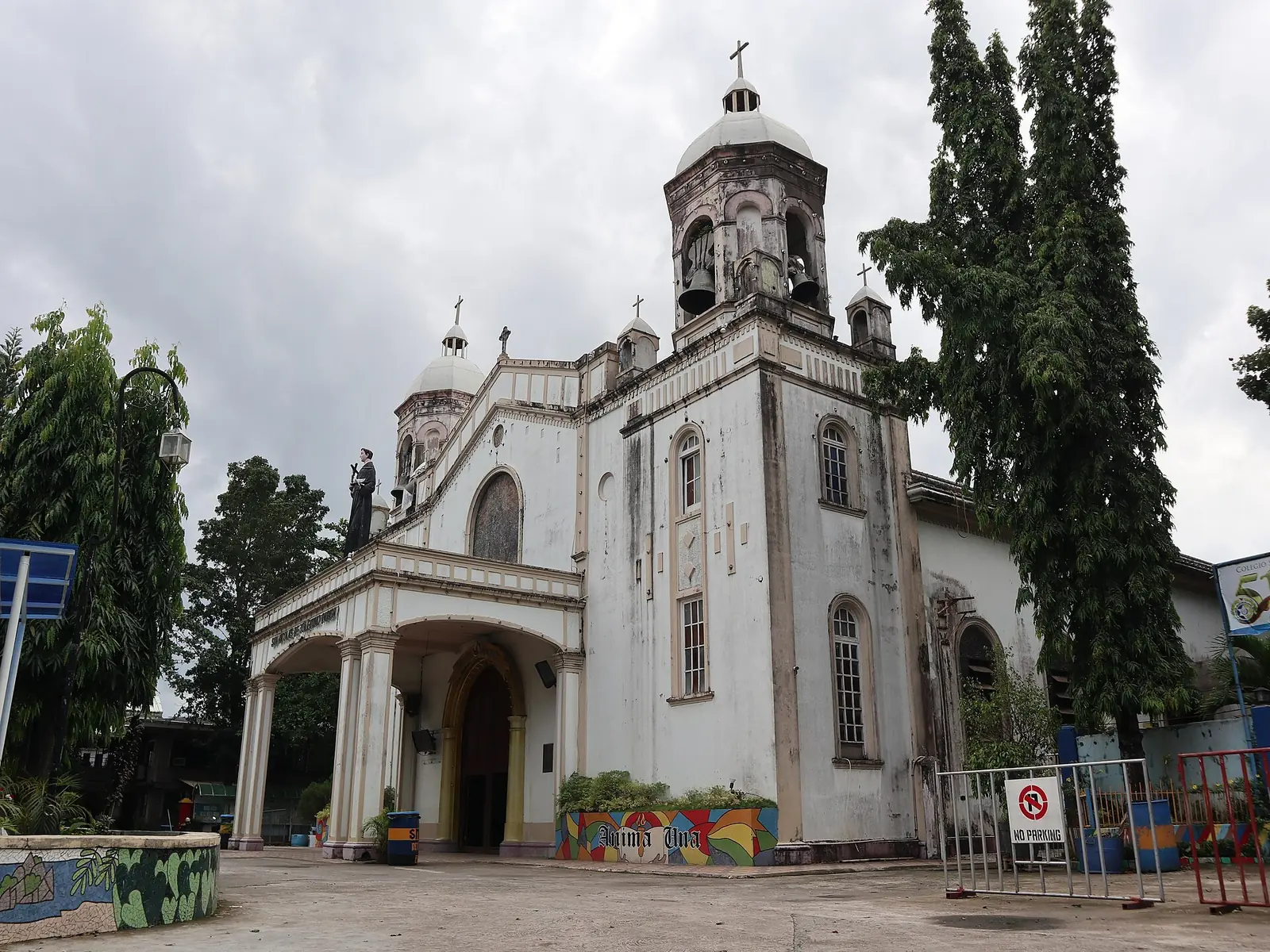
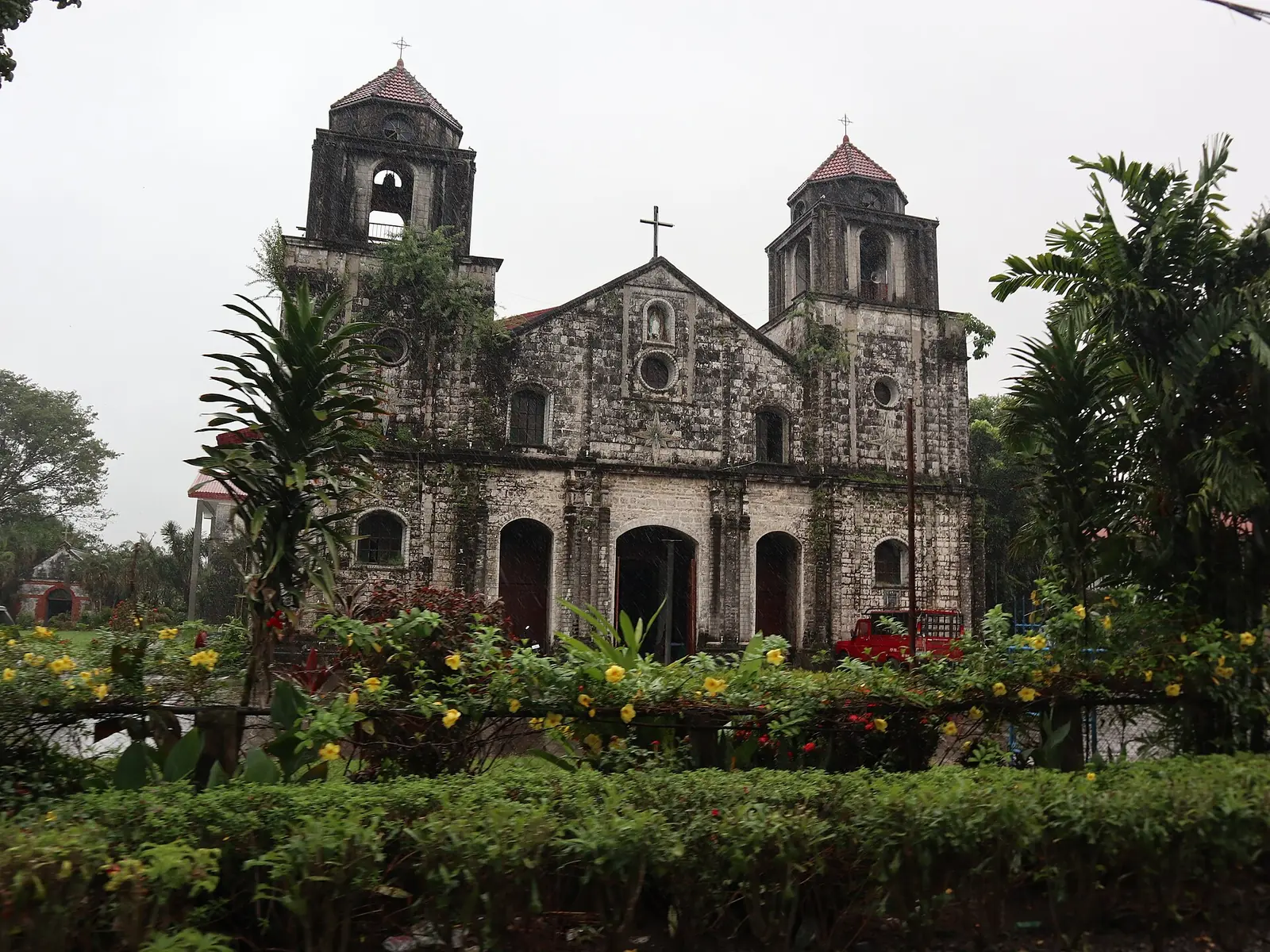
San Nicolas de Tolentino Church in Talisay, a stone church with a bell tower on a town street
Photo by Patrickroque01, via Wikimedia Commons. Resized for this page. CC BY-SA 4.0.

Church

San Nicolas de Tolentino Church

Open

Talisay proper20–25 minutes, approximateFree to enter.

Also the Diocesan Shrine of San Vicente Ferrer. Fr. Fernando Cuenca was its first curate from about 1850. Some sources say 1851. The present church was begun in 1936 by Fr. Luis Álvarez, finished by Fr. Santiago Vilda, and blessed on 9 September 1939. Century-old pasos of the Diaz and Lacson families, shorter than most, come out on Good Friday. Every First Friday, devotees line up for the palapak.

The parish feast of San Nicolás de Tolentino is 10 September, during Minulu-an. The feast of San Vicente Ferrer is 5 April.

The Talisay page

The palapak

Fr. Fernando Cuenca

Mass times are not listed here. Check with the parish.

Further afield

Victorias, Manapla, Sagay, Bago, Valladolid and La Carlota. The drives are longer, and they are still estimates from Silay.

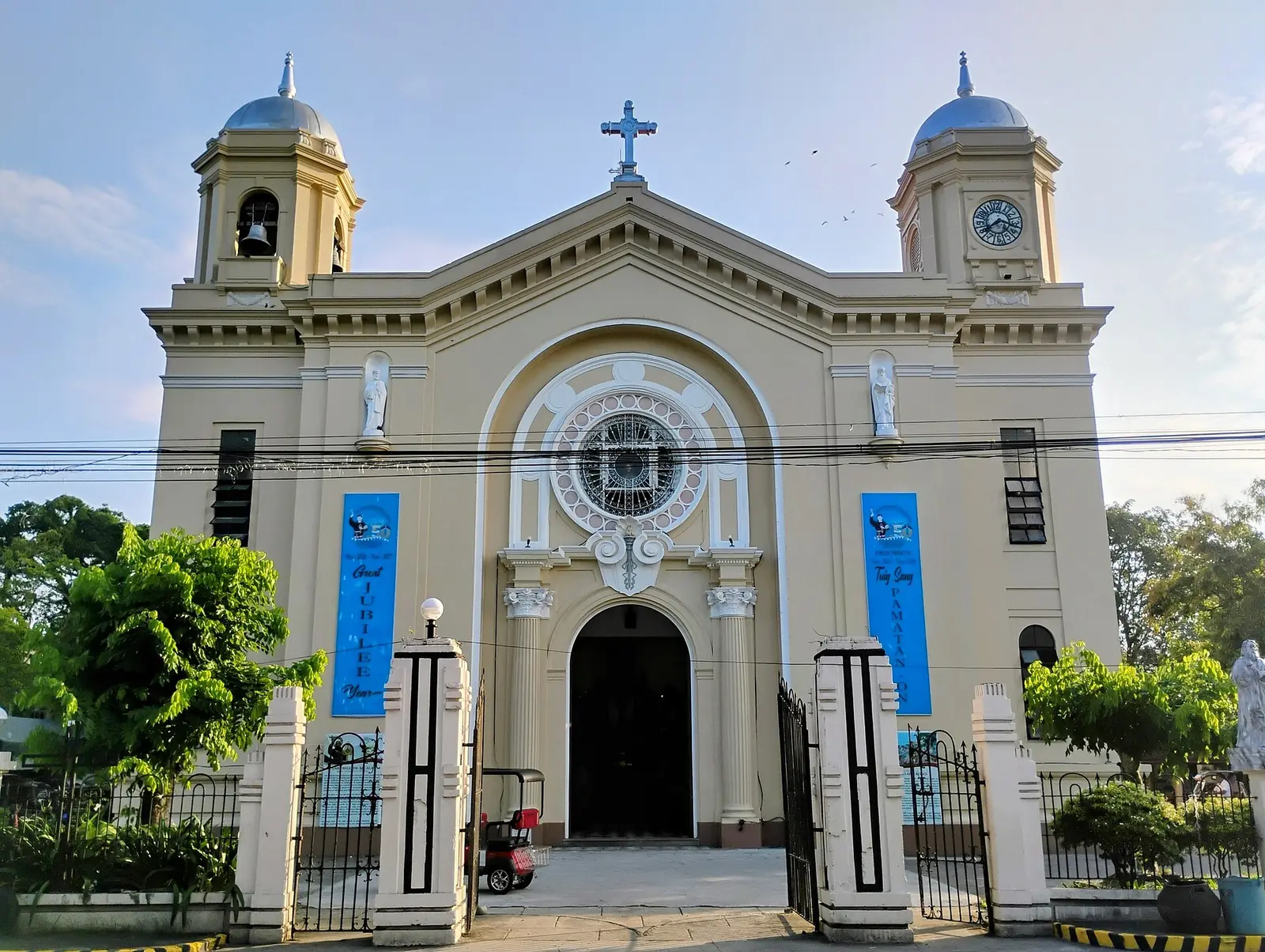
The exterior of St. Joseph the Worker Chapel, a modern concrete church inside the Victorias mill compound
Photo by Elmer B. Domingo, via Wikimedia Commons. Resized for this page. CC BY-SA 3.0.

Church

St. Joseph the Worker Chapel (the Angry Christ)

Open. Access depends on the mill.

Victorias Milling Company compoundAbout 30–40 minutes, approximateFree to enter. Donations are welcome.

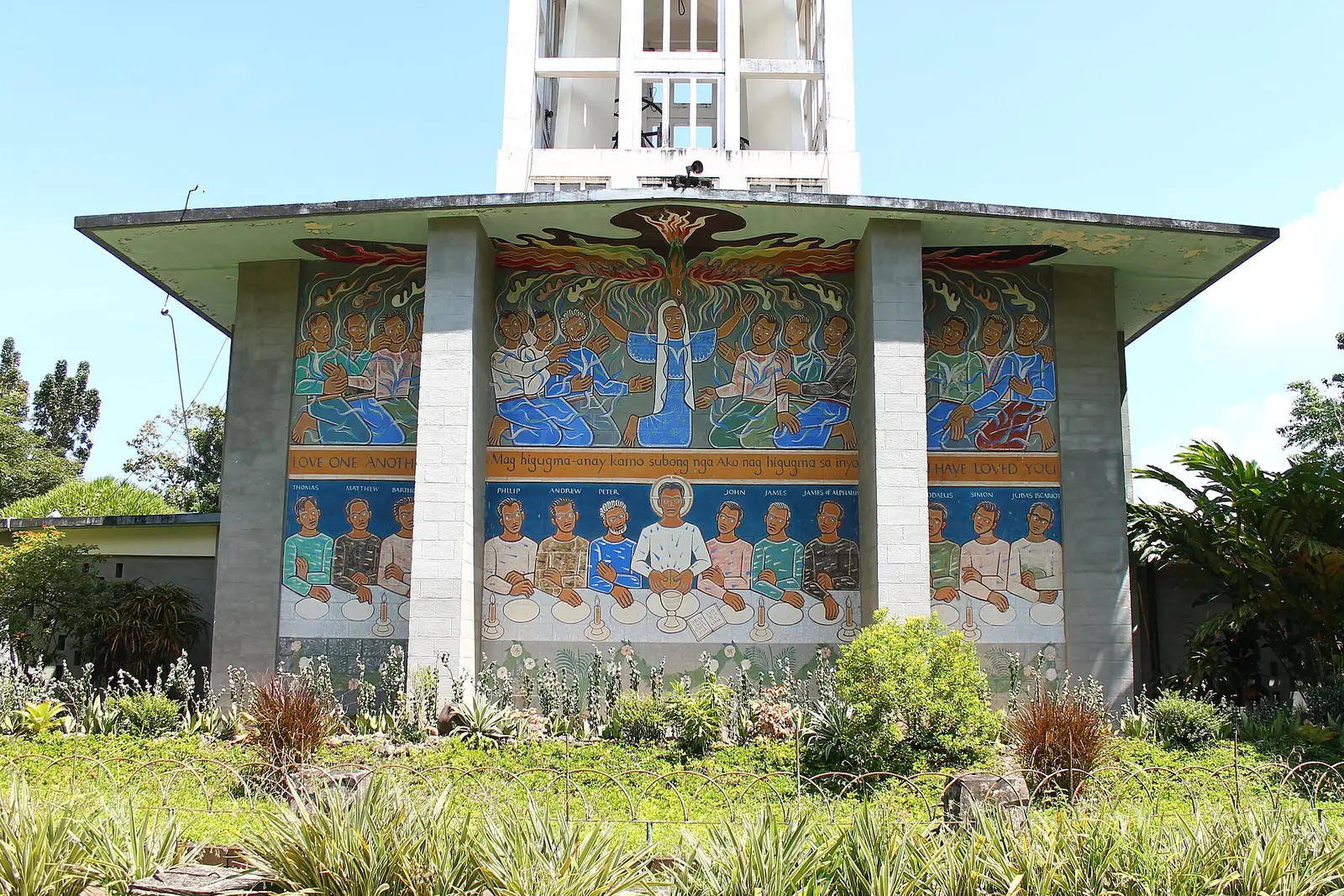
Built in 1948–1950 by the Ossorio family for the Victorias Milling Company community. The architect was Antonin Raymond. Alfonso Ossorio's mural, begun in 1949 and unveiled in 1950, hangs above the altar. The National Museum declared the chapel an Important Cultural Property in 2015. It stands inside the mill compound. The photograph here is the church from outside.

Access is through the Victorias mill gate. Bring an ID and register there. There are no fixed visiting hours. Call ahead if you can: (034) 488-7900.

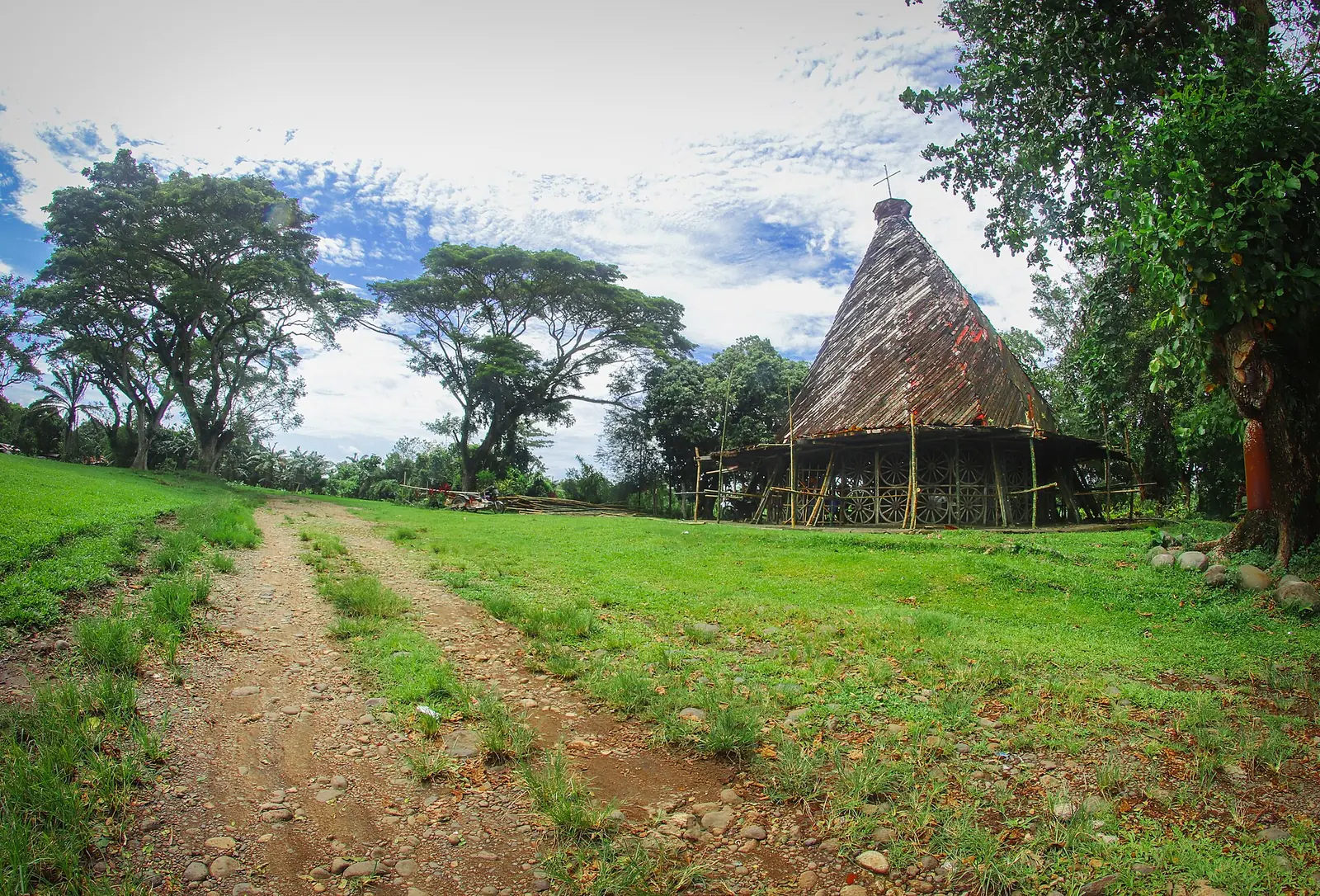
The Chapel of the Cartwheels at Hacienda Santa Rosalia in Manapla, a small church under a steep roof
Photo by Kramthenik27, via Wikimedia Commons. Resized for this page. CC BY-SA 4.0.

Church

Chapel of the Cartwheels

Check before you go

Hacienda Santa RosaliaAbout 45 minutes, approximate

A small chapel built from the wheels of old sugar carts, under a roof like a farmer's hat. It's a prayer made from the tools of the harvest.

Hours, the fee, and how a visit is arranged are not confirmed here.

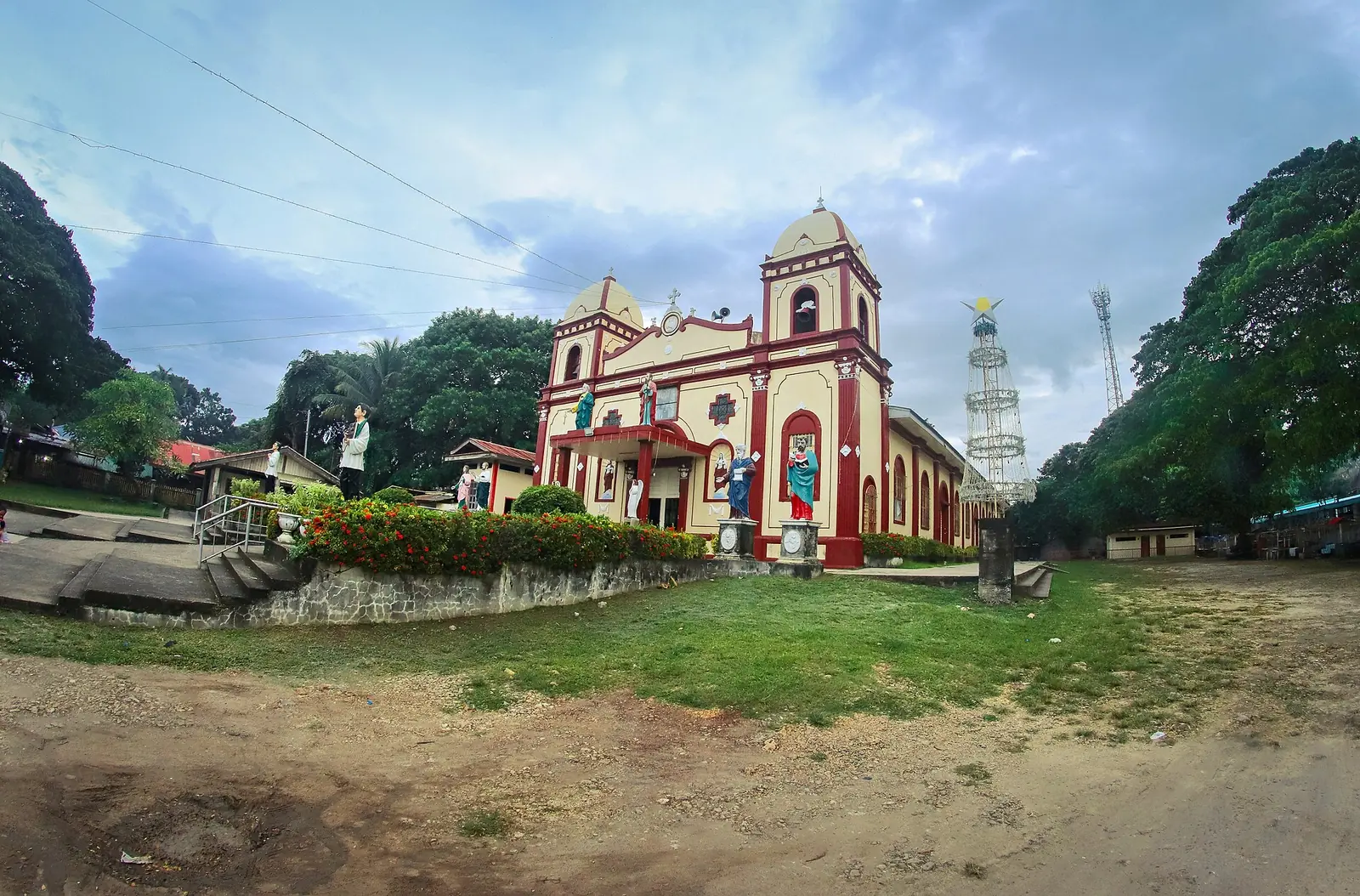
San Vicente Ferrer Parish-Shrine in Vito, Sagay, a church with a bell tower seen from the front
Photo by Kramthenik27, via Wikimedia Commons. Resized for this page. CC BY-SA 4.0.

Shrine

Vito Church (San Vicente Ferrer Parish-Shrine)

Open

Brgy. VitoAbout 1 hour 15 minutes to 1 hour 30 minutes, approximateFree to enter.

A diocesan shrine of San Vicente Ferrer, in the Diocese of San Carlos. It was a Recollect mission by 1898, and the present church is of the 1930s. Palapak here follows the First Friday Mass and is often done to keep a panaad, a vow. Some pilgrims also walk to the altar on their knees. That is a separate custom.

The fiesta, Panaad kay San Vicente, is around 1 May. The liturgical feast of San Vicente Ferrer is 5 April.

St. John the Baptist Church in Bago, a coral-brick church with a bell tower
Photo by Patrickroque01, via Wikimedia Commons. Resized for this page. CC BY-SA 4.0.

Church

St. John the Baptist Church

Open

About 1 hour, approximateFree to enter.

Visited from 24 June 1575 by the Augustinian Fr. Gerónimo Marín, out of Binalbagan. The parish dates to 1822, and the Recollects arrived in 1882. Brick walls and a fortress-like façade. The church witnessed the proclamation of the Negros revolution on 5 November 1898.

The feast of San Juan Bautista is 24 June.

Mass times are not listed here. Check with the parish.

Our Lady of Guadalupe Church in Valladolid, a coral-brick church with a bell tower, seen from the road
Photo by Patrickroque01, via Wikimedia Commons. Resized for this page. CC BY-SA 4.0.

Church

Our Lady of Guadalupe Church

Open

About 1 hour 15 minutes, approximateFree to enter.

A Recollect parish from 1852. The stone church was begun in 1877 by Fr. Carlos Úbeda. People here say its Guadalupe image saved the town from floods.

Sources differ on whether the church was finished before the 1898 revolution. The marker gives 1877.

Mass times are not listed here. Check with the parish.

Nuestra Señora de La Paz Church in La Carlota, a stone church with a dome and a bell tower
Photo by Patrickroque01, via Wikimedia Commons. Resized for this page. CC BY-SA 4.0.

Church

Nuestra Señora de La Paz Church

Open

About 1 hour 30 minutes, approximateFree to enter.

The parish was separated from San Enrique on 4 December 1876. Fr. Andrés Torres began the church in 1877. It was blessed on 23 January 1936. An NHCP marker was installed on 12 December 2001. The Diocese of Bacolod named it a Pilgrim Church for the 2025 Jubilee. It is the southernmost stop on this loop.

Mass times are not listed here. Check with the parish.

Visita Iglesia loop from Silay

Seven churches, as a sketch for Holy Thursday or for any quiet day. The clock times are a plan, not a promise. The drives are approximate from Silay City proper, not measured from our gate.

Then come back for the river.

  1. About 7:00. Set out for Victorias, about 30–40 minutes from Silay. St. Joseph the Worker Chapel: access is through the Victorias mill gate. Register there, and call ahead if you can.
  2. About 8:30. Silay: San Diego Pro-Cathedral. El Ideal, for coffee and pastries, is a short walk away.
  3. About 9:45. Talisay: San Nicolas de Tolentino Church.
  4. About 10:30. Bacolod: San Sebastian Cathedral.
  5. About 11:45. Bago: St. John the Baptist Church. Lunch in Bago or Valladolid.
  6. About 1:30. Valladolid: Our Lady of Guadalupe Church.
  7. About 2:30. La Carlota: Nuestra Señora de La Paz Church, the seventh. The drive back toward Silay is about an hour and a half.

During Holy Week, roads near the big churches close for processions, so start earlier and leave more time.

Holy Week and feast days

Visita Iglesia, the Good Friday processions, the palapak and the other devotions are in the next section, with the sources.

Church histories

Most of these parishes were organized or rebuilt by the Augustinian Recollects. The Recollects took charge of Negros in 1848 and founded 56 parishes and missions in fifty years. The 1898 revolution halted many building projects, and several churches were finished only in the 1920s and 1930s.

History

San Diego Pro-Cathedral, Silay

The parish was created in 1776 by Bishop Rubio de Arévalo of Cebu. The first recorded priest was Fr. Ignacio de Molinas. Diocesan priests ran it until the Recollects took over in 1881. An earlier stone church, begun in 1841 under Fr. Eusebio Locsin, was never finished. Its ruins stand behind the church. The present building, 1925–1927, was designed by the Italian architect Lucio Bernasconi and mostly paid for by Don José R. Ledesma, with gifts from parishioners. It is a Latin cross, with a dome about 40 meters high, a Romanesque façade arch, and Renaissance towers and dome. The tower clock is from 1938. Bishop Camilo Gregorio declared it a pro-cathedral of the Diocese of Bacolod on 25 December 1994. The feast of San Diego de Alcalá is 13 November.

History

San Sebastian Cathedral, Bacolod

Sources differ on the founding. Published years include 1755, 1765, 1802 and 1818, so this page says the parish goes back to the late 1700s. Diocesan priests served it until Fr. Mauricio Ferrero, OAR, arrived in 1871. He was the first Recollect parish priest, not the first priest. The cornerstone was laid on 27 April 1876. The church was inaugurated on 20 January 1882 under Ferrero, with prison labor lent by the governor. Isidro María Lago of Iloilo painted the interior. The twin towers were begun in 1885. The stone is coral from Guimaras, and the hardwood is from Palawan. An NHCP marker was installed in 1952. Sources differ on when it became a cathedral. A papal bull of 15 July 1932, the year 1933, and a 23 June 1922 date on the 1952 marker do not agree. This page says it is the seat of the diocese created in 1932–33. The feast of San Sebastián is 20 January.

History

San Nicolas de Tolentino, Talisay

The parish dates to 1849 or 1850. Fr. Fernando Cuenca, OAR, was its first curate until he died in 1902, and he chose San Nicolás de Tolentino as patron. Sources differ on his arrival: the first days of January 1850, or parish priest from 1851. He began a second church, which Fr. Miguel García finished in the 1920s. The present church was begun in 1936 by Fr. Luis Álvarez, paused for lack of about 80,000 pesos, finished by Fr. Santiago Vilda, and blessed on 9 September 1939 by Apostolic Delegate Guglielmo Piani. Romanillos calls the style neoclassical. It is also the Diocesan Shrine of San Vicente Ferrer, the secondary patron, and the home of the palapak. The parish feast is 10 September. The feast of San Vicente Ferrer is 5 April.

Fr. Fernando Cuenca

History

St. Joseph the Worker Chapel, Victorias

The Ossorio family built the chapel in 1948–1950 for the Victorias Milling Company community. Antonin Raymond was the architect. Alfonso Ossorio's mural, about 60 square meters, was begun in 1949 and unveiled in 1950. Ade de Bethune made the mosaics, of broken bottles and china, and local artisans including Benjamin Valenciano and Arcadio Anore made images. The saints are dressed as Filipinos. The Salesians have been here since the 1960s, and it has been a parish since 1979. The National Museum declared it an Important Cultural Property in 2015. The dedication is to St. Joseph the Worker. A parish fiesta date is not confirmed here.

History

Vito Church, Sagay

Sources differ on the founding. This page follows the account of a Recollect mission by 1898, when Frs. Antonio Hernández and Aquiles Alfaro were there and the place was renamed Vito, and a church of the 1930s. It is a diocesan shrine of the Diocese of San Carlos. The fiesta, Panaad kay San Vicente, is around 1 May. The liturgical feast is 5 April.

History

St. John the Baptist, Bago

Augustinian Fr. Gerónimo Marín visited from Binalbagan beginning 24 June 1575. He was an Augustinian, not a Recollect. The Recollects came to Negros only in 1848, and to this parish in 1882. The parish itself dates to 1822. The walls are brick, and the façade is described as squarish and fortress-like. The church witnessed the proclamation of the Negros revolution on 5 November 1898. The feast of San Juan Bautista is 24 June.

History

Our Lady of Guadalupe, Valladolid

A Recollect parish from 1852. The first priest, Fray Celestino Romero of Quiapo, laid out the town, which dates to 1860. Fr. Carlos Úbeda, OAR, began the stone church in 1877, the year on the church marker. Sources differ on whether it was finished before the 1898 revolution. After 1898 it was held by Aglipayans, then by Mill Hill missionaries from 1909 to 1917.

History

Nuestra Señora de la Paz, La Carlota

The town dates to 1869. The parish was separated from San Enrique on 4 December 1876. Fr. Andrés Torres, parish priest in 1877–1888 and 1891–1898, began the church in 1877. The 1898 revolution stopped the work, and Aglipayans held it. It was roofed in 1925 under Fr. Leandro Nieto, finished by Fr. Santiago Vilda, and blessed on 23 January 1936. An NHCP Level II marker was installed on 12 December 2001. It was a Pilgrim Church of the Diocese of Bacolod for the 2025 Jubilee. The feast is 24 January.

History

Binalbagan and Ilog

Augustinians opened the first missions in Negros at Binalbagan and Ilog in the 1570s. Ilog passed to the Jesuits in 1630, and Binalbagan to the Recollects in 1626. Neither old church survives as it was built.

History

San Vicente Ferrer, La Castellana

A town from 1894, and probably the oldest San Vicente devotion in the province. American soldiers razed the church. It was rebuilt from 1920 under Fr. Juan Lavaca, burned in 1949, repaired, and handed to the Columbans in 1950. Palapak is held here only on the 5 April feast.
Sources

Traditions and devotions

The old churches are a devotion and a heritage trail at once. Holy Week moves every year. This page does not publish a calendar for it until a parish does. Mass times are not listed. Ask the parish.

First Friday

The palapak at San Nicolas de Tolentino, Talisay

San Nicolas de Tolentino is also the Diocesan Shrine of San Vicente Ferrer. Every First Friday, after Mass, devotees line up and a server presses a small image of San Vicente Ferrer on the head, then on the part of the body they point to, while they pray for healing or for a petition. Some kiss the image. Some bring the clothes of a sick relative to be touched instead. The biggest crowd comes on the first First Friday of the year. The name is palapak, also written patapak, from the Hiligaynon word lapak, to step on. It is not walking on the knees. The feast of San Vicente Ferrer, the secondary patron, is 5 April. The parish feast of San Nicolás is 10 September. In La Castellana the same devotion is held only on 5 April.

Expect long lines, especially in January. Dress modestly, wait your turn, and don't photograph people being touched without asking. Watching quietly is welcome. Confirm the Mass time with the parish.

The Talisay church

Minulu-an

Sagay

Walking on the knees at Vito

At Vito Church some pilgrims walk to the altar on their knees. That custom is separate from the palapak, in which the image is pressed to the body. Palapak at Vito follows the First Friday Mass and is often done to keep a panaad, a vow.

Vito Church

Vito, around 1 May

Panaad kay San Vicente and the pagpauli

A four-day fiesta around 1 May. In 2023 it was about 25 years old. The days include Masses, a novena reading called the pabasa, a procession and a fluvial parade. The pagpauli recalls the image's return to Molocaboc Island.

Holy Thursday

Visita Iglesia

On Holy Thursday, Catholics visit seven churches and pray two Stations of the Cross in each. The provincial and national tourism offices promote the old churches for it. One way to drive the seven stops from Silay is the loop above.

Holy Week

Good Friday pasos

Silay's pro-cathedral processes 16 pasos at about 6 pm, many of them owned by old sugar families. Bacolod's Santo Entierro procession had about 30 pasos and an estimated 150,000 people in 2019. Those pasos are mostly silver-clad, and clans such as the Gonzagas own them. Talisay keeps century-old pasos, shorter than most, of the Diaz and Lacson families.

Good Friday

Taltal, the Good Friday Passion play

Negros calls its sinakulo-style Good Friday play the taltal. Talisay, through the Talisay Taltal Organization, and San Sebastian Cathedral stage a road scene through town. Talisay repeats it in the evening. Sources differ on the word. One account says it means taking Christ's body down from the cross. Another glosses it as the crucifixion. This page publishes it as the Good Friday Passion play.

Through the year

Marian devotions

In Valladolid, people believe Our Lady of Guadalupe saved the town from floods, and the town's harvest thanksgiving honors her. La Carlota's Our Lady of Peace was a Pilgrim Church of the Diocese of Bacolod for the 2025 Jubilee. Talisay keeps a Wednesday novena to Our Lady of Perpetual Help.

January

Santo Niño fiestas

Here the Santo Niño fiestas are civic festivals as much as parish feasts. Sinulog is in Kabankalan, and Dinagsa is in Cadiz.

The festival calendar

Talisay and Vito

First Friday pilgrimage

First Friday pilgrims travel to Vito and to Talisay from across Negros. For the 2025 Jubilee, the Diocese of Bacolod named pilgrim churches, among them La Carlota.

Sources

Faith trail FAQ

What is Visita Iglesia?

On Holy Thursday, Catholics visit seven churches and pray two Stations of the Cross in each.

Can I visit the Angry Christ church in Victorias?

Yes. Access is through the Victorias mill gate, inside the Victorias Milling Company compound. Register at the gate. Entry is free, and donations are welcome.

What is the patapak at Vito Church?

At Vito, palapak (also written patapak) is a devotion in which a server presses an image of San Vicente Ferrer on the head and on the part of the body that needs healing, often to keep a panaad, a vow. Walking to the altar on the knees is a separate custom. The same pressing of the image is done every First Friday at San Nicolas de Tolentino in Talisay.

Where are the Good Friday processions in Negros Occidental?

Silay's pro-cathedral processes 16 pasos at about 6 pm, many of them owned by old sugar families. Bacolod's Santo Entierro procession had about 30 pasos and an estimated 150,000 people in 2019. Those pasos are mostly silver-clad. Talisay keeps century-old pasos, shorter than most, of the Diaz and Lacson families.

When are the main feast days?

San Sebastian in Bacolod is 20 January. The Vito fiesta in Sagay, Panaad kay San Vicente, is around 1 May, and the liturgical feast of San Vicente Ferrer is 5 April. San Nicolas in Talisay is 10 September, and San Diego in Silay is 13 November.

The river after

Stay at Bukaw

Go out for the morning. Come back while the light is still on the water. River time and the river does not rush are the two essays we mean by that.

Flying in? We can meet you at Bacolod–Silay Airport with a van. Pickup is an extra charge. Write to us and we will arrange it.