Luke 10:1–11
In Luke 10:1–11, Jesus sends out the seventy-two disciples ahead of Him. He sends them into places where He Himself is about to go. They are not sent simply to preach, but to bring peace, serve people, heal the sick, and proclaim that the Kingdom of God has come near.
This passage reminds me that being a follower of Christ means being sent.
We have received the love of God, but that love was never meant to stop with us. The love we receive from God should be translated into the way we live, the way we treat people, the way we serve, and the way we love our neighbors.
God's Love Should Lead to Transformation
God's love has the power to transform lives.
Someone may begin with no belief in God. They may be distant from Him, unsure about faith, or simply unaware of who Christ is. But God can use an encounter with His love to open their hearts.
Sometimes, that encounter happens through the words we speak.
Sometimes, it happens through the way we serve.
Sometimes, it happens through our kindness, patience, forgiveness, compassion, or willingness to simply be present.
This is why we should not underestimate the impact of showing God's love to another person.
God's love can move someone from unbelief to belief, from being distant from God to knowing Him, and from knowing Him to being transformed by Him.
Our role is not to force that transformation. Our role is to faithfully represent Christ and proclaim Him whenever we have the opportunity.
Be the Love of God Translated Into Love of Neighbor
Jesus did not send His disciples empty-handed. He sent them with a message, but He also sent them to serve.
They were told to bring peace.
They were told to heal the sick.
They were told to stay with people and receive what was given to them.
This shows us that proclaiming Christ is not only about what we say. It is also about how we love.
We should become the love of God translated into love for our neighbor.
If God has shown us grace, we show grace.
If God has forgiven us, we forgive.
If God has been patient with us, we become patient with others.
If God has welcomed us, we welcome others.
If God has loved us when we were far from Him, we should be willing to love those who are still far from Him.
Our lives can become a reflection of the God we proclaim.
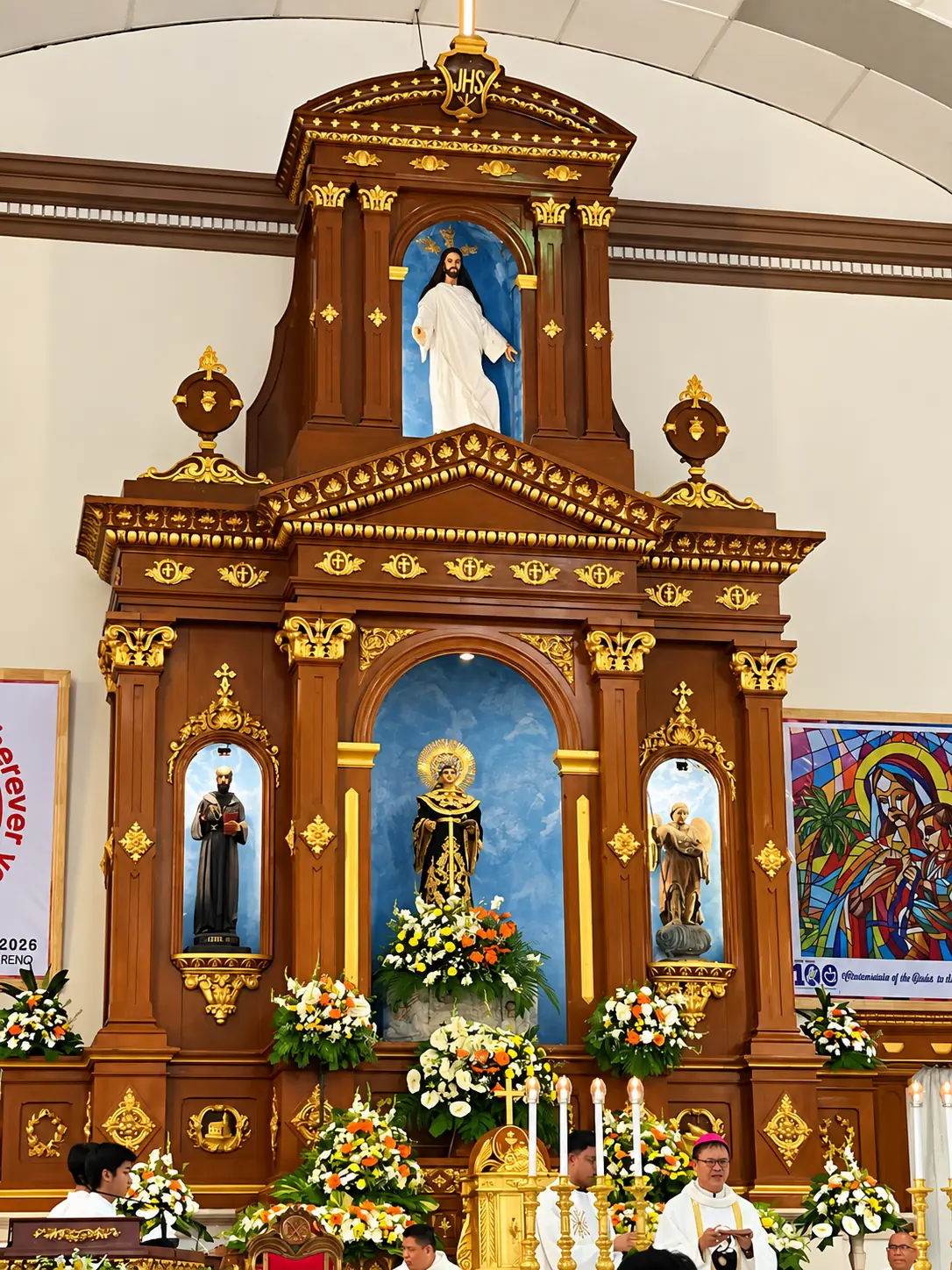
The Witness of St. Nicholas of Tolentino
The life of St. Nicholas of Tolentino gives us a beautiful example of what it means to translate God's love into service.
Nicholas dedicated his life to God as an Augustinian religious. He served the Church faithfully as a priest, preacher, confessor, and minister to people who were suffering. He spent himself in prayer and in service, particularly toward the poor, the sick, and those who needed spiritual and material help.
His life reminds us that serving God is inseparable from serving people.
St. Nicholas did not simply speak about God's love. He allowed that love to shape the way he lived.
He prayed for people.
He ministered to people.
He comforted people.
He preached Christ.
He served those who were suffering.
His life became a witness to the Gospel.
This is the same movement we see in Luke 10: Jesus sends His followers outward.
Faith moves us from ourselves toward others.
God's love moves us toward our neighbor.
Our encounter with Christ moves us toward mission.
And our mission becomes a way for others to encounter Christ.
Service to the Church Is Service to Christ
St. Nicholas also reminds us that our service to the Church is not merely about fulfilling a responsibility or completing a task.
We serve because we love.
Whatever our ministry may be—preaching, teaching, leading, organizing, visiting the sick, helping the poor, encouraging someone, praying for others, or simply being present—we can offer it as an expression of our love for God.
There will be moments when service is difficult.
There will be moments when we feel tired, unappreciated, or discouraged.
But the life of St. Nicholas reminds us that Christian service is ultimately not about recognition. It is about faithfulness.
We serve because Christ first loved us.
We give because we have received.
We love because we have been loved.
And we proclaim because we have encountered Christ.
Proclaim Christ Whenever You Can
Jesus said:
“The harvest is plentiful, but the workers are few.”
There are people around us who are searching, hurting, questioning, and perhaps even waiting to hear about Christ.
We may not know what is happening inside someone's heart.
A simple conversation may plant a seed.
An act of kindness may open a door.
A testimony may give someone hope.
A word about Jesus may cause someone to ask questions about faith.
We should therefore proclaim Christ whenever we can.
Not because we have all the answers.
Not because we can change someone's heart by our own strength.
But because we have encountered something worth sharing.
We have received God's love, and that love should move us outward—to our family, friends, coworkers, neighbors, and even to people we do not know.
St. Nicholas shows us that proclamation is not limited to words. Our whole life can proclaim Christ.
The way we serve can proclaim Christ.
The way we treat the poor can proclaim Christ.
The way we forgive can proclaim Christ.
The way we care for the sick can proclaim Christ.
The way we remain faithful to the Church can proclaim Christ.
Trust God With the Transformation
The disciples were sent to prepare the way for Jesus.
That is also our calling.
We cannot transform someone's heart. God does that.
We cannot make someone believe. God works in the heart.
But we can be faithful with the opportunity God gives us.
We can love.
We can serve.
We can bring peace.
We can share the Gospel.
We can proclaim Christ.
And then we trust God with the result.
The transformation belongs to Him.
Perhaps someone we know does not believe in God today. We should not immediately see that person simply as an unbeliever. We should see them as someone whom God loves and someone who may still encounter Christ.
Maybe God is asking us to be part of that encounter.
Maybe our kindness will open the door.
Maybe our service will build trust.
Maybe our testimony will plant a seed.
Maybe our words will point them toward Christ.
We may never see the full result—but we are called to be faithful.
A Challenge for Us
The life of St. Nicholas of Tolentino challenges us to ask:
Have I allowed God's love to become visible through my life?
Have I received God's love but kept it only for myself?
Is the love of God visible in the way I treat my neighbor?
Am I willing to serve the Church without seeking recognition?
When I have an opportunity to speak about Christ, do I take it?
When I encounter someone who is suffering, do I see an opportunity to serve?
When I meet someone who does not believe, do I see them as someone to judge—or someone whom God is calling me to love?
Luke 10 and the life of St. Nicholas give us the same invitation:
Go. Serve. Love. Proclaim.
Final Reflection
God's love should never end with us.
We receive His love so that we can give love.
We experience His grace so that we can extend grace.
We encounter Christ so that we can proclaim Christ.
And we are transformed so that our lives can become instruments through which God transforms others.
St. Nicholas of Tolentino shows us what this can look like in a life dedicated to God and to the service of the Church. His life reminds us that holiness is not simply about what we believe inside. It is about allowing what we believe to become visible through the way we live and serve.
So let us be the love of God translated into love of neighbor.
Let us serve the Church with faithfulness and humility.
Let us proclaim Christ whenever we can.
And let us trust that the God who sends us is also the God who can take our small acts of love and obedience and use them to lead someone from not believing in Him, to believing in Him, and ultimately to a transformed life in Christ.
The love we receive from God should become the love we give to our neighbor.
The Christ we know should become the Christ we proclaim.
And the faith we live should become a witness that leads others to Christ.